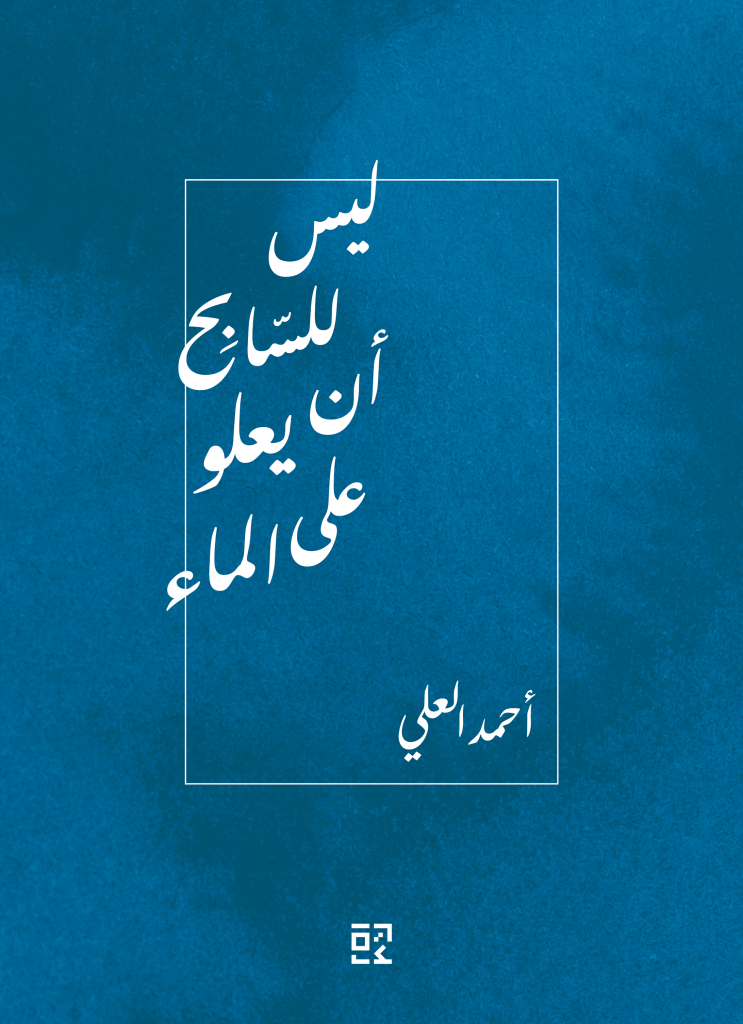
يصدر هذا الكتاب بمناسبة إدراج “جبل الفاية” في منطقة مليحة بالشارقة، في قائمة اليونسكو للتراث العالمي.
كُتب هذا الكتاب في ظلال جبل الفاية، عبر ليالٍ عدّة قضاها الكاتب في تلك الرّمال التي شهدَت حياة الإنسان منذ العصر الحجري؛ لهذا جاءت الكتابة الشعريّة فيه بصوت مختلف، في جُمَل مقطّعة تفصلها خطوط، تنحو إلى الترميز والمجاز والحكمة في لُعبة أدبيّة مُحْكمة، فهكذا تخيّل الكاتب كلام البشر في ذاك الزّمن: ليس من حاجة للكلام في بيئة صعبة التضاريس وتتحدّى الحياة إلّا إذا كان مهمًّا، ويُسهم في فهم لغز الحياة وحمايته، دون حاجة إلى الاستطراد والبناء اللذين يُعدّان بذخًا لا مكان له، فالعثور على الماء أوْلى، والصّيد أوْلى، ومُعاتبة النجوم والحديث إلى الجبل ومُساءلة الأسلاف ليست من الجنون في شيء، بل هكذا يعرف الإنسان نفسه وأرضه؛ فالأرض تتحدّث أيضًا.
تصدير
مخطوط عُثرَ عليه في مسجد جواثا الأثريّ بمنطقة الأحساء، دون تاريخ، ومجهول المؤلِّف. إنّ فحص المخطوط مخبريًّا يقول لنا إنّ أعمار أوراقه على اختلاف مواد تصنيعها تتراوح بين الأربعمائة عام وحتى الأربعمائة وألف، وتنطبق هذه الملاحظة على مختلف السّوائل التي استُخدمَت في التدوين، كما أنّ الخطّ مُتّسِق بعناصره كافّة حتى درجة كَزّ الحروف على الورق. فهل يعني ذاك أنّ التّدوين نفسه أنْجزه مُدَوِّنٌ واحد عاشَ تلك الأعمار كلّها؟ أم أن المخطوط كان يرثه ابنٌ عن جدٍّ تتلبّسهم روحٌ ندعوها اصطلاحًا المُلَقِّن، وهو من يحرّك أياديهم ويمسك أقلامهم، فقد وردَ في المخطوط “لا تُبعِد كفّي يا ولد” و”دعْكَ لي”، و”تاهَ القلم..”. نُشيرُ أيضًا إلى أنّ صوت المُدَوِّن يطفو أحيانًا مخاطبًا المُلَقِّن (يسبق كلام المُدَوِّن شرطة) “-أبْطأت..” فيأمره المُلَقِّنَ في موضع آخَر “لا تكتب ما لم أقُله”.
تساءلنا أيضًا عن غاية المخطوط؛ هل هو كتاب في الحكمة والتأمّل كما جاء على لسان المُدَوِّن “-الحكمة.. الحكمة..”، أم في الكون والإنسان والخلْق “سأسْألُكَ عن الإله الآخَر..”، أم في المُبهم “البراءَةُ حُوت”. هل يبدأ التدوين فيه وسط طقوس ما “مَن يقول للرّاقصين أنّي أضحك؟” أم في عزلة تامّة “ما أسْفَرْتُ إلّا لك”. هل المُلَقِّنُ عُلويٌّ “كيفَ لك أن تراني يا ولَد، وكفّي على القُبّة” أم أرضيٌّ “ما حُزنك الفاني أمام أحزاني” أم داخليّ “ليسَ غايةُ السّؤال الجواب”. أمْكننا أيضًا الوصول إلى خيط ذهنيّ ينظم متوالية السطور في مواضع، لكننا نفقده تمامًا في مواضع أخرى، غير أنّ المخطوط متّسق اتّساقًا تامًا بالنسبة للمُلَقِّن كما يظهر. وفي النهاية، لا أجوبة.
رُقِّمَت أوراق المخطوط لأغراض البحث والنشر، وأُعتِمَ بعض ما جاء فيه لإشكاليّته العارِضَة في زمننا هذا. وأضفنا إليه أوراقًا في فصلين لم يكونا فيه، وجدنا كلًّا منهما في أماكن أخرى من المسجد: الأوّل “عبدالله الحسن” ويبدو أنّه سلفٌ من أسلاف المُدَوِّن الأخير، وهو المُلَقِّنَ فيه كاشفًا للمُدَوِّن تاريخهما الشخصيّ والعائليّ كما يبدو “أضَعْتُم بِشْتي”، والثّاني “زيارة” جمعناه من أوراق عُثرَ عليها دون ترتيب واضح، واللهُ أعلم.
Ahmed Al Ali’s The Swimmer Must Not Break the Surface is a poetic haunting, a new and innovative work that comes to us in the guise of an old manuscript. Written to commemorate the designation of Sharjah’s Faya Mountains as a UNESCO World Heritage Site, the narrative voice encompasses both past and present, evoking myth and memory in a manner reminiscent of Venus Khoury-Ghata’s Where Are the Trees Going? and Dunya Mikhail’s Tablets: Secrets of Clay, which also includes drawings that are both past and present.
As the author tells us, The Swimmer Must Not Break the Surface was written in the shade of the Faya Mountains, or Jebel Faya, in sand dunes where he listened to the echoes of human life. The Sufi-inflected text opens with the conceit that this is a “found manuscript” that is anywhere between “400 and 1400 years old.” The poetic voices are a chorus from this period, telling stories—and showing etches—of life in the dunes.
The conceit is this: The narrator of the introduction has discovered a manuscript titled The Swimmer Must Not Break the Surface just as the Jawatha Mosque in Al-Ahsa was being restored. The author or authors of the text are unknown, but it’s suggested that a Sufi-esque “Prompter” (not entirely unlike a spiritual muse) has been guiding the writer or writers. Who, then, is the writer? What is the individual’s voice and what lies beyond?
The text becomes a sort of dialogue across time and across worlds, and Al Ali draws on Sufi traditions to give the text its haunted nature. The work explores the connection between people and place, using a rugged, pared-down style suited to the harsh, beautiful desert environs. The book itself is also a manuscript, where the handwritten poetry is also art.
We know that “the manuscript makes perfect sense to The Prompter.” However, for the rest of us, as in life, there are no clear answers.
Author Ahmed Al Ali is a poet, editor, translator, and publisher who has brought out three poetry collections and a prose work about New York City. He has also translated a number of iconic works into Arabic, including Paul Auster’s The Invention of Solitude and Elif Shafak’s Black Milk. You can find more about the author at https://alaliahmed.com.
*
The Swimmer Must Not Break the Surface
by Ahmad al-Ali
Translated by Sarah El-Enany
Preface
A manuscript was found in the Al-Ahsa’ Region of Saudi Arabia, undated, by an unknown author. A forensic analysis tells us that the ages of the manuscript papers are varied, ranging between 400 and 1400 years old. The same goes for the various types of liquid used in the writing. However, the handwriting is consistent in every aspect, down to the way the letters are crammed tightly on the page. Does this mean that the notes were taken by the same scribe, who lived through all these periods? Or was the manuscript handed down through generations from father to son, all possessed by a single spirit that one may call The Prompter—a spirit that moved their hands and controlled their pens? The manuscript contains phrases such as, “Don’t push my hand away, boy!” and “Surrender yourself to me,” and “The pen is lost,” and so on. Here, we must also mention that the voice of the scribe can sometimes be heard addressing The Prompter, as when the scribe’s line is preceded by a dash, as in: “—You have slowed down,” whereupon The Prompter scolds him: “Do not write down what I have not said.”
We are also curious as to the purpose of this manuscript. Is it a book of wisdom and contemplation, as the scribe writes (“—Wisdom. Wisdom”)? Is it a treatise on the universe, humanity, and God’s creation (“I shall ask you about the other god”)? Or is it a book of the mysterious (“Innocence is a whale”)? Was the act of writing down these words accompanied by some sort of ritual (“Who is telling the dancers that I am laughing?”) or done in complete isolation (“I have unveiled the secret to none but you”)? Is The Prompter heavenly (“How can you see me, boy, I who have my hand on the dome?”) or earthly (“What is your ephemeral sorrow compared to my own griefs?”)? On occasion, we have managed to tease out a mental thread, organizing the succession of lines into some sort of order. On others, we lose the thread completely. However, it is apparent that the manuscript makes perfect sense to The Prompter. Ultimately, there are no answers.
The pages of the manuscript have been assigned numbers for the purposes of study and publication, and some of its contents have been obscured out of consideration for the fleeting taboos of our times that render them problematic. We have also added two chapters that were not originally part of the manuscript, which were found in other locations within the same mosque. The first pertains to Abdullah al-Hassan, who seems to be one of the descendants of the final scribe. This al-Hassan plays the role of prompter, revealing to the scribe their shared personal and family history, or so it seems (“You have made my smile disappear”). The second, “A Visit,” is a collection of papers found without any clear order. And in the end—as imams are wont to say after they issue a fatwa—all is known only to God Himself.
The Swimmer Must Not Break The Surface
Communication The First
The First Night
Connection 1
The stars are in your throat.
*
Tears, always a coward’s way.
*
Be mindful of your papers.
*
You are here, I know, I know…
*
Who is telling the dancers
that I am laughing?
*
Now, I shall give it my all, to embrace your body,
entire.
*
Do not search the sands.
*
Whosoever can do it, let him do it.
*
The wing is a complete creation.
*
Wisdom, wisdom.
*
Do not write down what I have not said.
Connection 2
The First Knowledge is yours, Ahmad.
*
Who has seen?
*
There is something in everything.
*
He who looks at Time is looking into a mirror.
Connection 3
You who want what I do not,
let us laugh together.
*
Do not write down what I have not said.
*
Do not spread your wings wide.
*
The claw is bashful.
*
The colors, alone.
*
Gather your strength
against the universe, the universe.
*
Do not leave me;
your bones are in my hand.
*
Do not swallow a word.
*
A box stands between us.
*
The star has come.
*
Let he who lacks a conveyance
refrain from riding.
*
The threshold is the end of it.
*
Departure does not become you.
*
I know the candle of all candles—
oh, why do you want to go?
*
The truth is that a human
is eyeless.
*
Obey what I have not yet said.
*
This galaxy is but a tiny wing…
a distant voice is closer to the heart.
*
Leave no instructions.
*
That which survives is eternity’s concern.
*
Who is the one without war?
*
In distance, there is bliss.
*
No two or more people come together for good…
ask me and do not wait.
*
I shall always visit you.
*
Farewell.
The Second Night
Ahmad,
run your hand over your head.
*
Every pen is mine.
*
There is salvation in gazing upon birds.
*
Ask not who I am.
*
Lovers abide in everlasting bliss.
*
A Suleymanid has no winds.
*
The pure one; the pure one.
*
Obedience is not our way.
*
A witness is forced to look.
*
The wolf in the eyes of the lamb.
No story.
*
One who is singing does not hear.
*
A guest is not family.
*
The whole of it lacks meaning.
*
I will not tell you what you already know.
*
Curl your wings around the pen.
*
He whose grim face is his master shall be saved.
*
There is a curse in being an uncle.
*
A word is a spring.
*
Rub your leg.
*
Yes, your leg.
*
He who has no crutch?
*
Who can see me,
the mountain-dwellers?
*
Her pain is quick.
*
Every soul in the world is with you.
*
Kill it.
*
Little ones do not see,
in the tiger’s eye…
*
The being has chosen.
*
The jewels cannot see the crown.
*
One is dear in the eyes of those who love them.
*
The guide is an hour.
*
I want the galaxy for you,
Ahmad.
*
Exoneration for he who has fallen.
*
Slips are our gateways…
slips…
*
After everything,
after.
*
Homes were my idea.
*
Travel is for the ignorant.
*
He who tries to grasp at sand
is like the one who tries to grasp at time.
*
The crescent moon
*
stands above all the planets.
*
The universe aids you
star by star.
*
Ask your life: Where to?
*
Those who go on their way unobstructed
hold the path within them.
*
The claw that grips the eye of its owner.
*
I have made you mine.
*
The moment I give you more,
you ask for it.
*
A lover’s heart is held.
*
Two is the first number.
*
Hunger is ever the attribute of the one who sees.
*
The face of the beautiful is a long way off.
*
No goodbyes, now—salaam.
 Ahmed Al Ali I أحمد العلي